Web page optimization
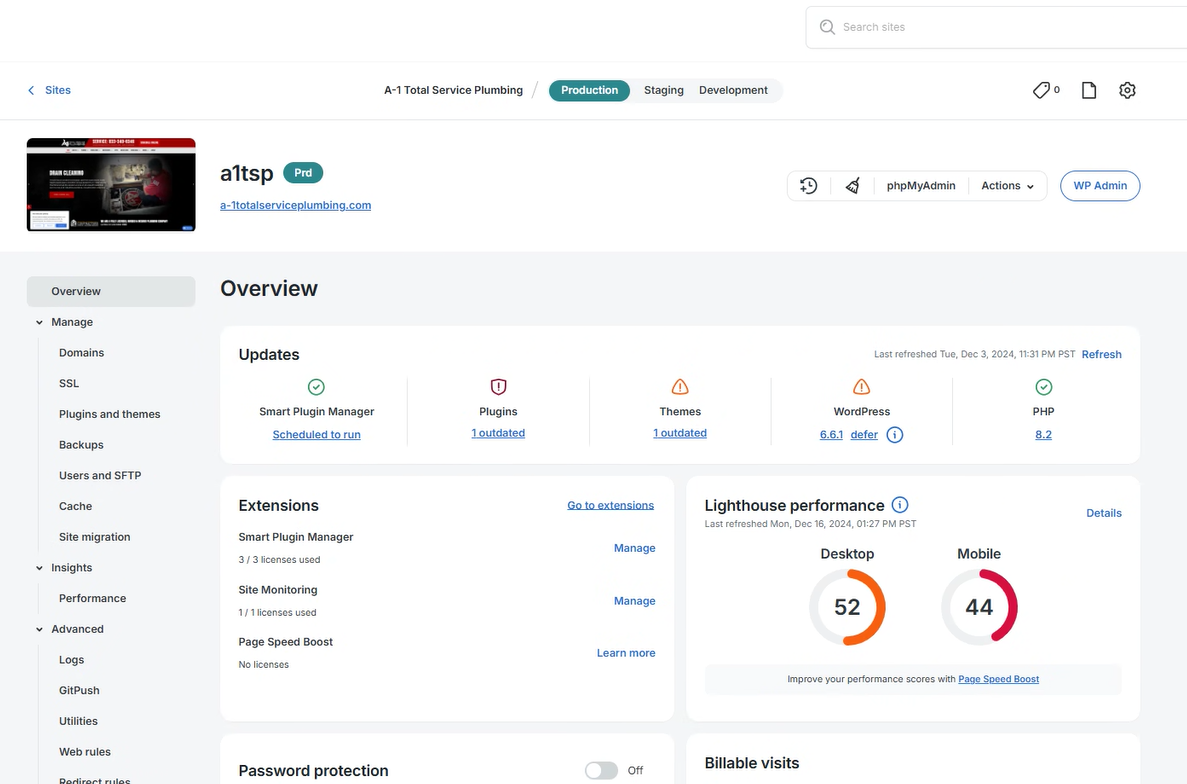
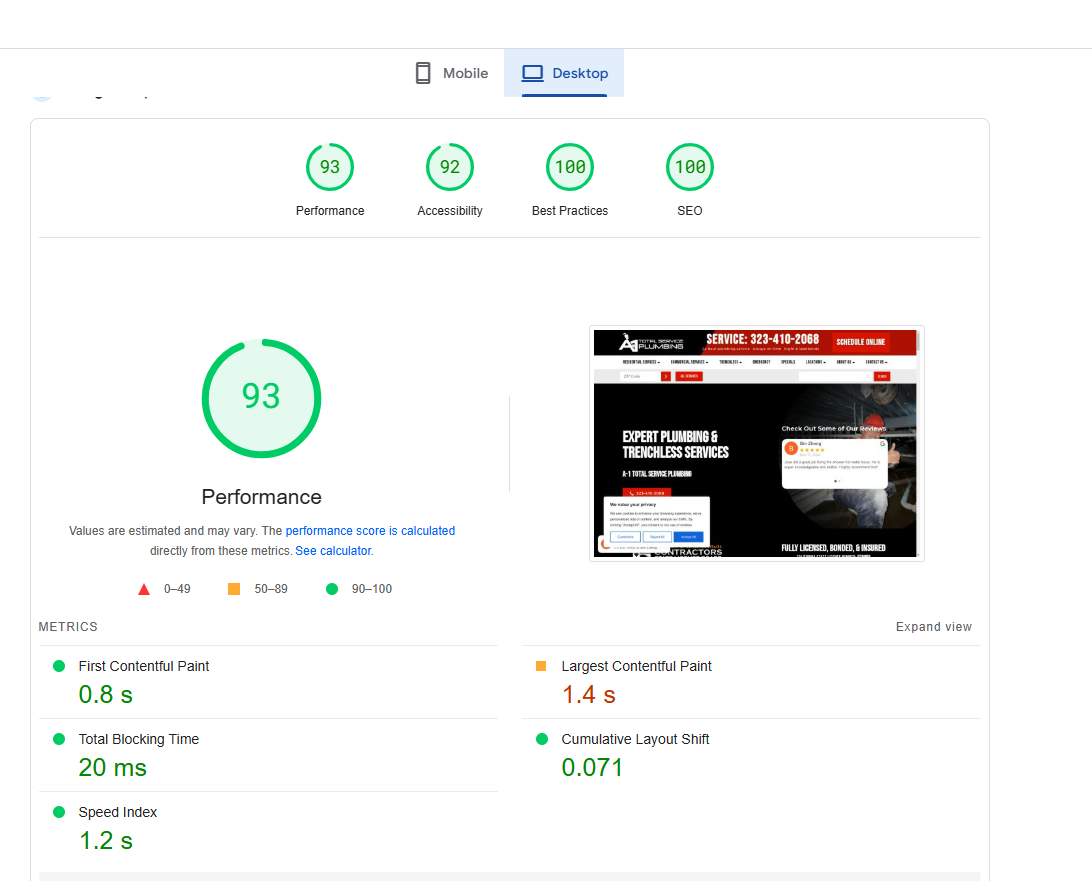
To optimize the page for both users and search engines, I performed a deep dive into the Google Lighthouse audit, treating it as a strategic roadmap for technical excellence. My approach was a systematic, three-phase overhaul.
1. Performance & Core Web Vitals
I began by tackling high-impact metrics like Largest Contentful Paint (LCP) and Cumulative Layout Shift (CLS). This involved:
Asset Compression: I manually optimized all images and converted them to next-gen formats (WebP), ensuring visual fidelity without the heavy payload.
Resource Prioritization: I restructured the loading order of CSS and JavaScript to eliminate render-blocking resources, allowing the page to become interactive significantly faster.
2. Accessibility & Best Practices
Meticulous attention was given to the "unseen" elements that define user experience:
Semantic Integrity: I audited the HTML structure to ensure proper header nesting and button labeling, ensuring full compatibility with screen readers.
Security & Stability: I resolved all "Best Practices" warnings by ensuring secure connections, modern API usage, and high-contrast color ratios for better readability.
3. S.E.O. Foundation
Finally, I bridged the gap between technical performance and search visibility:
Metadata Accuracy: I refined meta titles and descriptions to be both keyword-rich and click-worthy.
Crawlability: I ensured every image contained descriptive alt-text and that the mobile-responsive design was flawless, as Google’s mobile-first indexing prioritizes the handheld experience.
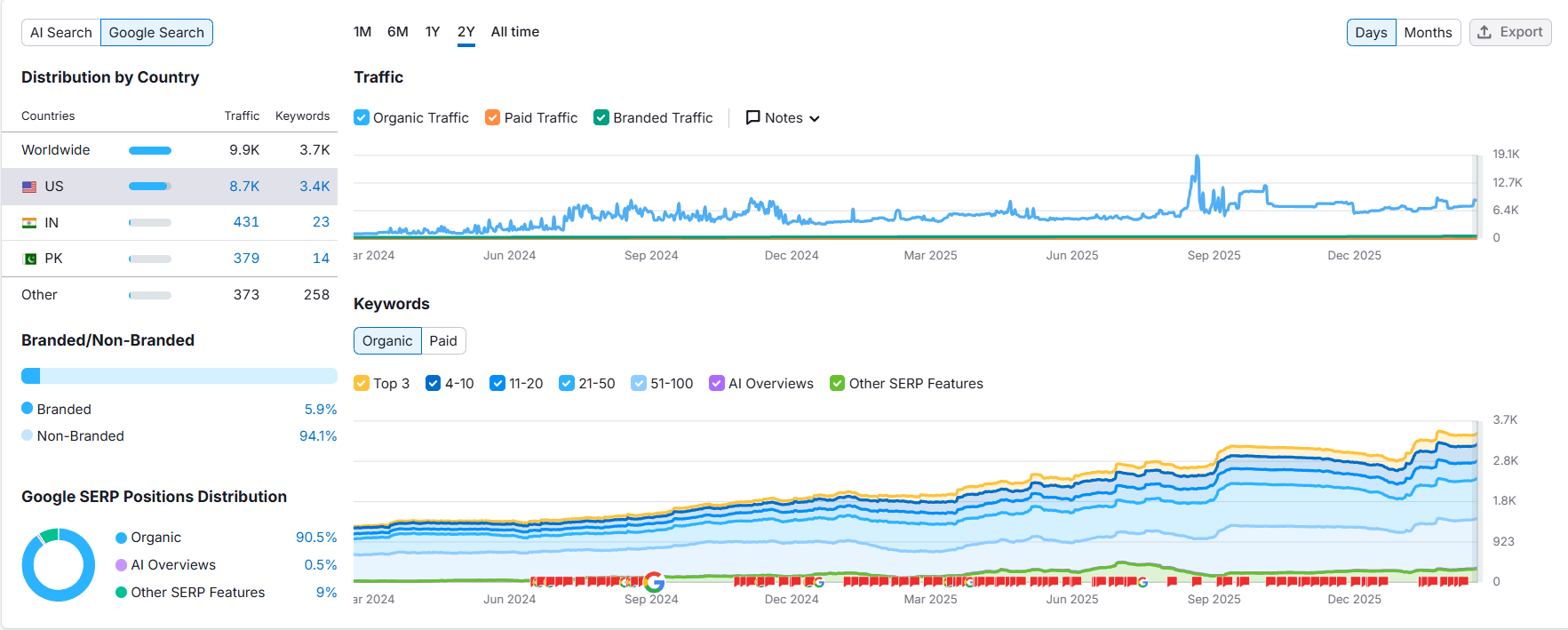
The Result: A leaner, faster, and more discoverable site that scores in the "green zone" across all Lighthouse categories, providing a frictionless experience for every visitor providing a strong sizable boost to the website's authority score and organic traffic.